Your Pipeline Is Your Security Engine (Not Your Plumbing), a LOTR-themed Webinar

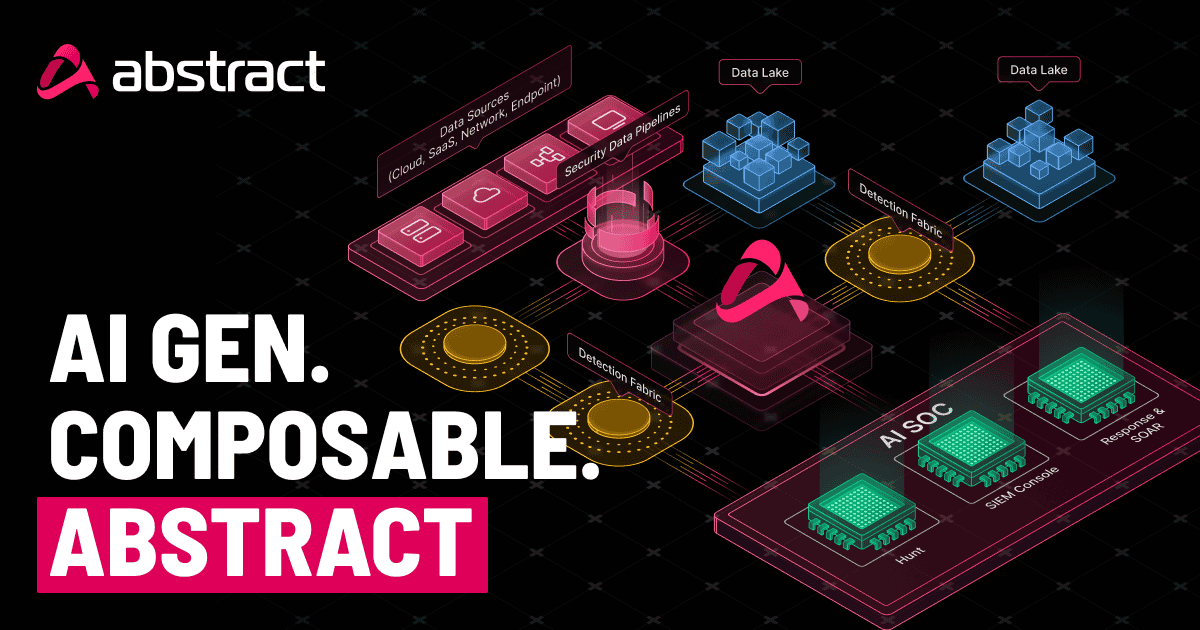
In our recent webinar, "Your Pipeline is Your Security Engine (Not Your Plumbing)," we explored how modern security teams are breaking free from monolithic SIEM architectures and embracing a more flexible, best-of-breed approach to security data management.
The Fellowship of Security Tools
Just as the Fellowship of the Ring succeeded through diverse strengths working together, modern security stacks thrive when specialized tools collaborate effectively. Traditional monolithic SIEMs have often promised simplicity through consolidation, but this "one ring to rule them all" approach can lock teams into rigid architectures that struggle to adapt as technology evolves.
The reality is that security professionals have always embraced best-of-breed solutions for email gateways, endpoint protection, and other critical functions. So why should data management, detection, and search be any different?
Shifting Detections Left
One of the most powerful concepts we discussed is the ability to perform detections in-stream, before data ever reaches your data lake or SIEM. This approach delivers several key benefits:
- Immediate actionability: Data is normalized and enriched the moment it's collected, making it searchable within minutes
- Faster integrations: New data sources like Workday, Salesforce, and other SaaS applications can be onboarded quickly
- Reduced downstream costs: By filtering and processing data upstream, you can significantly reduce the volume of data sent to expensive storage solutions
- Better AI SOC performance: Clean, enriched, contextual data produces better results from triage tools without burning tokens on garbage data
The Best-of-Breed Architecture
Modern security architectures are increasingly combining specialized tools for different functions. Instead of relying on a single platform for collection, normalization, detection, storage, and search, teams can now:
- Collect and normalize data with purpose-built pipeline tools
- Run sophisticated cross-correlation detections in real-time
- Store data in cost-effective lakes like Databricks or Snowflake
- Search using the tools that best fit their needs
- Feed clean, enriched data to AI-powered triage solutions
This modular approach provides the flexibility to swap components as needs change, without the complexity and cost of ripping and replacing entire platforms.
The Bottom Line
Security data pipelines aren't just about moving logs from point A to point B. They're about transforming raw data into actionable intelligence, enabling sophisticated detections before data hits storage, and giving teams the freedom to choose the best tool for each job.
If you're interested in learning how this approach might fit into your security architecture, we'd love to chat. Reach out to our team or connect with us on LinkedIn.
Want to dive deeper? Watch the full webinar recording above. And yes, we highly recommend the extended editions.